
Build a peer-to-peer marketplace people trust
A P2P marketplace puts individuals on both sides: one person sells, rents out or offers something, another books and pays. Kreezalid gives you the trust mechanics that make that work — profiles, reviews, verified payments, messaging — without code, live in about 7 days.
No credit card required · Live in days, not months · Cancel anytime
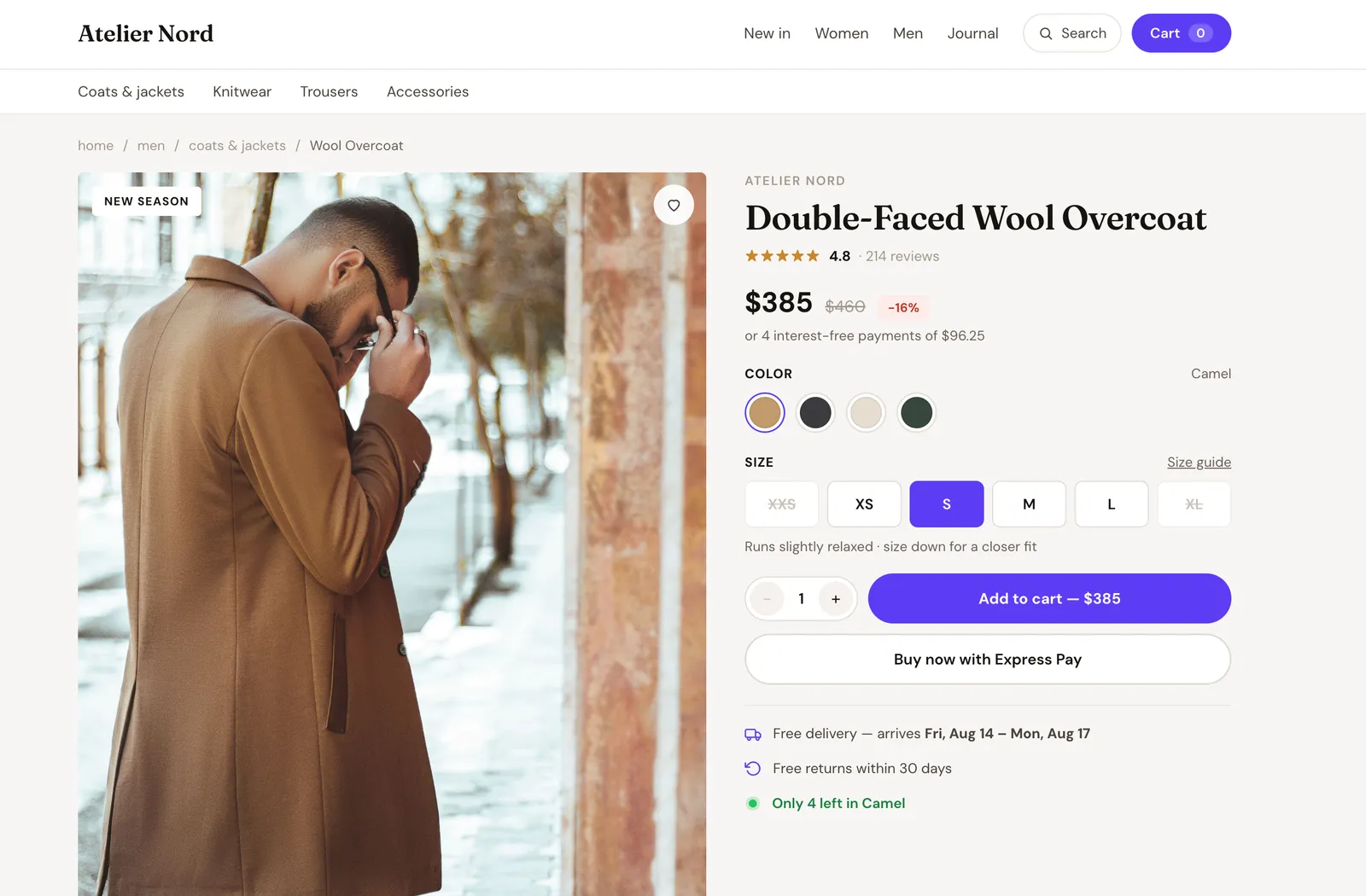 Verified member · 4.9 ★Paid securely via Stripe
A peer-to-peer (P2P, or C2C) marketplace is an online platform where private individuals transact with each other — Vinted for second-hand clothes, Airbnb for a spare room, BlaBlaCar for an empty seat — while the platform earns a commission, listing fees or featured placements. Unlike a B2C marketplace, neither side is a business, so trust has to come from the platform. Kreezalid ships that layer ready to configure: member profiles, reviews, payments held by Stripe Connect, messaging and a back office to settle disputes.
What is a peer-to-peer marketplace?
An online platform where people who own, make or can do something offer it to other people, and the platform makes the transaction safe and takes a cut. The product, rental and service models all have a P2P version; what they share is that the supply side is amateurs, not companies — so onboarding, pricing help and trust matter more than catalogue tools.
Second-hand & resale
Clothes, kids’ gear, books, electronics between individuals.
Spaces & stays
Spare rooms, holiday homes, parking spots, storage.
Vehicles & mobility
Car sharing, rides, bikes, boats, campervans.
Tools & equipment lending
Neighbours renting out drills, cameras, camping gear.
Skills & help
Tutoring, odd jobs, pet sitting, between private individuals.
Collectibles & handmade
Vintage, art, crafts sold by the people who own or make them.
Trust is the product — Kreezalid builds it in
On a P2P marketplace the buyer has never met the seller and the seller is not a company. Every mechanism below is built into the platform and configured from the back office; none is a plugin to find.
Member profiles
Photo, bio, member since, listings and reviews on one public page; you approve who can list.
Reviews after each order
Only people who completed an order can review — buyers on sellers, sellers on buyers, or both — so reputation builds on real exchanges.
Payments held by Stripe Connect
The buyer pays the platform; the seller is paid out after the order, minus your commission. No cash, no bank transfers between strangers.
Messaging and disputes
Questions before booking, coordination after, all inside the marketplace — and refunds or disputes settled from your back office.
For the full picture — verification, insurance, moderation — read how to build trust between buyers and sellers on a marketplace.
How to build a marketplace like Vinted or Airbnb
Vinted is a P2P product marketplace: members list what they no longer wear, buyers pay online, the platform holds the money until delivery and takes a fee. Airbnb is the P2P rental version: hosts list a place, guests book dates and pay, reviews go both ways. The same building blocks work for any niche, and Kreezalid ships them ready to configure.
Listings anyone can create
A short form with photos, a category and its own fields (size, brand, condition — or capacity and house rules), published in minutes.
Search, filters and a map
Buyers filter by category, price, location or dates and browse results on a map.
Secure checkout and payouts
Card payment on the marketplace, your commission kept, the seller paid out automatically via Stripe Connect.
Reviews both ways
Buyer and seller can rate each other after the order, double-blind if you choose; profiles carry the score.
Our step-by-step guide to building a peer-to-peer marketplace covers the business model, the idea and validating it before you build.
How a P2P marketplace makes money — all supported
Commission per transaction
Your take rate on each order, globally or per category.
Listing fees
Charge to publish, or offer a free quota then pay per listing.
Featured listings
Sell prominence: boosted placement in search and on the home page.
Memberships
Recurring plans for power sellers or premium members.
Deposits for rentals
Refundable holds that protect owners against damage.
Automatic payouts
Sellers are paid after the order, without you touching the money.
Messaging
Buyer–seller conversations kept on the platform.
Moderation
Approve members and listings, settle refunds and disputes.
Mobile-first
Listing from a phone, in a few taps, with photos.
Start from a peer-to-peer template
Resale, lending, spaces or vehicles between individuals: start from a template with profiles, reviews, payments and the right listing fields already configured, then make it yours.




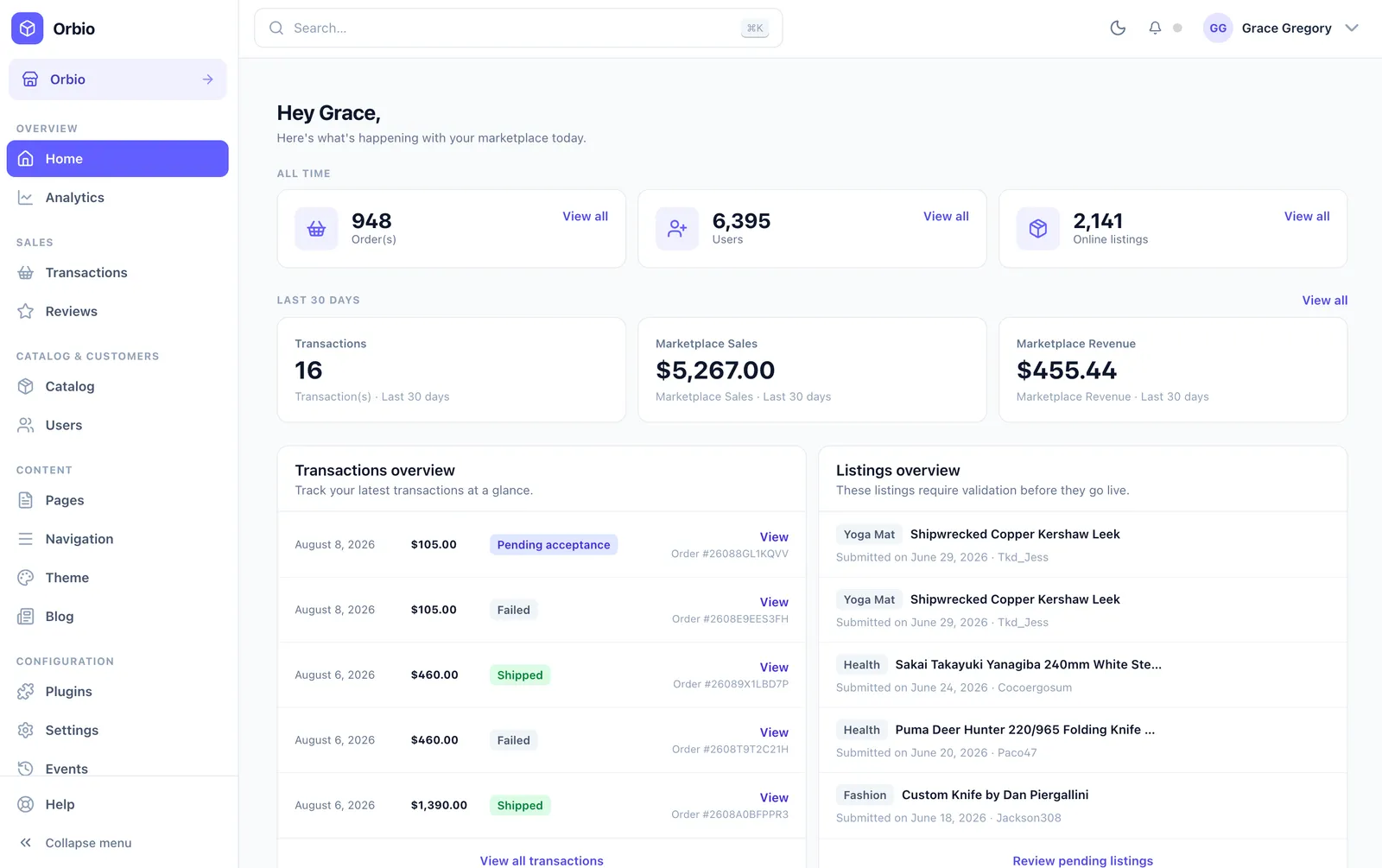
Make it yours with the visual theme editor
Listing pages, profiles, colours, branding and navigation are edited visually — no code. Start from a template, then make it look like your community, not like a generic classifieds site.
- Drag-and-drop blocks and pages
- Your colours, fonts and logo
- Custom navigation and layouts
- Responsive automatically
How to launch a peer-to-peer marketplace in 7 days
- Days 1–2
Pick a template, set the rules
Choose the P2P template closest to your niche, brand it, and decide your commission, listing fees and who can join.
- Days 3–5
Seed the supply side
Invite your first sellers or owners by hand, help them write their first listings, and connect Stripe for payouts.
- Days 6–7
Open to buyers
Point your domain, switch the marketplace public, and bring your first buyers to a marketplace that already has listings.
The chicken-and-egg problem is solved by sequence, not software: supply first, in one niche, by hand. Need help? Book a demo.
Kreezalid vs the alternatives
| Peer-to-peer | Kreezalid | Build from scratch | Classifieds scripts |
|---|---|---|---|
| Time to launch | ~7 days | 2–6 months | Weeks |
| Developers needed | None | Full team | For setup and hosting |
| Payments held, split and paid out | Built in (Stripe Connect) | Build and certify | Often contact-only, no payment |
| Profiles, reviews, messaging | Built in | Build each one | Basic |
| Hosting, security, updates | Managed | Yours | Yours |
| Cost to start | 14-day trial | Very high | Licence + hosting |
Try it free for 14 days — then launch for less
No credit card required. When your trial ends, carry on with Build (€39/month) in private, then switch to Launch the day you open.
Go further
Before you open: the P2P playbook, how to get the first sellers before the first buyers, and the risks a platform between individuals has to insure.
- How to build a peer-to-peer marketplace →Business model, finding and validating the idea, and what the first version needs.
- Solve the chicken-and-egg problem →Three ways to get supply before demand, so the first buyers find something to buy.
- Insurance for a P2P marketplace →Which risks sit with the platform when individuals rent to individuals, and how to cover them.
Peer-to-peer marketplace FAQs
What is a peer-to-peer marketplace?
An online platform where private individuals sell, rent or offer something to other individuals — like Vinted, Airbnb or BlaBlaCar — while the platform makes the transaction safe and earns a commission or fees.
What is the difference between P2P and C2C?
None in practice: peer-to-peer and consumer-to-consumer both describe a marketplace where both sides are individuals rather than businesses. P2P is the term more often used for rentals, sharing and services; C2C for second-hand sales.
What is the best solution to build a peer-to-peer marketplace?
For most founders, a marketplace platform with the trust layer built in: profiles, two-way reviews, payments held and split by Stripe Connect, messaging and moderation. Kreezalid ships those ready to configure, with a 14-day free trial; building from scratch only pays off when your workflow is genuinely unique and you have engineers to maintain it.
How does a P2P marketplace make money?
Usually a commission on each transaction, sometimes a listing fee, featured placements or a membership for power sellers. Kreezalid supports all of them, alone or combined.
How are payments handled between two individuals?
The buyer pays by card on the marketplace. Stripe Connect holds the money, the platform keeps its commission and the seller is paid out automatically after the order. Money never changes hands directly between members.
How do I build trust between strangers?
Public profiles, verified reviews after each order (one-way or both ways), verified payments, messaging kept on the platform, and a back office to approve members and settle disputes. All of it is built into Kreezalid.
How do I solve the chicken-and-egg problem?
Supply first, in one niche, by hand: recruit your first sellers or owners personally and help them publish their listings before you open to buyers. A marketplace that opens with listings converts its first visitors; an empty one does not.
Can I build a P2P marketplace without coding?
Yes. Start from a Kreezalid template, set your commission and fees, brand it in the visual theme editor and go live — no developers needed. Liquid themes, the API and the App Store are there if you want to add code later.
Do I need a credit card to try it?
No — 14-day free trial, no card, cancel anytime.
What happens when the trial ends?
You keep building on Build (€39/month), a private test environment, and move to Launch (€129/month) the day you open. Your work carries over.
Your peer-to-peer marketplace could be live this week.
Profiles, reviews, secure payments and messaging, ready to configure. No code required.
No credit card required · Cancel anytime